

Fertility, IVF and Reproductive Medicine: Fertility Clinic in HSR Layout
Medically reviewed by Dr. Achi Ashok, MBBS, MD (OBG) [AIIMS], Dip. in Reproductive Medicine (Germany) | Last reviewed:
Emergency: 24 × 7
Trying for a baby without success can feel lonely and stressful. Greenview Medical Center is a fertility clinic in HSR Layout that cares for couples with a calm, step by step approach. We test both partners, explain the results clearly, and start with the simplest treatment that suits you, from ovulation support and IUI to IVF and ICSI when needed. Your consultations and records are kept private. Call 080 6792 7777 to book a fertility consultation.
Fertility care at Greenview at a glance
Greenview is a 55 bed, NABH accredited hospital that has served Bengaluru for more than 20 years. For fertility care, you have:
- A senior obstetrician and gynaecologist trained in reproductive medicine
- Evaluation of both partners from the first visit
- Ovulation induction, follicle scans and IUI
- IVF and ICSI planning and care
- Fertility protecting surgery, such as hysteroscopy and laparoscopy
- In-house laboratory, ultrasound and pharmacy
- Counselling before and during treatment
- Pregnancy care continues with our maternity team
When to see a fertility specialist
Most couples conceive within a year of regular unprotected intercourse. See a fertility specialist if:
- You are under 35 and have been trying for 12 months
- You are 35 or older and have been trying for 6 months
- You are over 40 and planning a pregnancy
- Periods are irregular, very painful or absent
- You have PMOS, endometriosis, fibroids or previous pelvic infection
- You have had two or more miscarriages
- The male partner has had testicular problems, surgery or a low sperm count
- You have had cancer treatment or want to preserve fertility
Infertility affects both men and women. In many couples, a male factor contributes, so both partners are assessed together.
Conditions We Evaluate & Treat
Our team looks for the cause of difficulty in conceiving and explains the options clearly.
Infertility in women and men
Infertility can be caused by problems with ovulation, the fallopian tubes, the uterus, sperm count or quality, or a mix of factors. Sometimes no clear cause is found. Simple tests for both partners usually point to the next step. Read about infertility treatment in HSR Layout.
Other conditions we treat
Ovulation disorders
Ovulation disorders occur when eggs are released irregularly or not at all. Irregular or absent periods can be a clue, with cycle review and hormone testing helping clarify the cause.
Polyendocrine Metabolic Ovarian Syndrome (PMOS)
PMOS can interfere with regular ovulation and make conception harder. Fertility assessment also considers metabolic health and contributing factors in the partner.
Endometriosis related infertility
Endometriosis may affect fertility through inflammation, ovarian involvement or scarring near the fallopian tubes. Its impact varies with the location and extent of disease.
Blocked or damaged fallopian tubes
Tubal-factor infertility occurs when fallopian tubes are blocked or damaged, preventing sperm and egg from meeting normally. Previous infection, surgery or endometriosis can contribute.
Male factor infertility, low sperm count and poor motility
Male-factor infertility involves problems with sperm production, function or delivery. Semen analysis is a starting point, and abnormal findings may need confirmation.
Recurrent pregnancy loss
Recurrent pregnancy loss refers to repeated miscarriages. Chromosomal, uterine, hormonal and other factors may contribute, although a clear cause is not always identified.
Unexplained infertility
Unexplained infertility means standard tests have not identified a definite cause for difficulty conceiving. It does not mean the difficulty is imagined or that treatment cannot be considered.
Low ovarian reserve and premature ovarian insufficiency
Premature ovarian insufficiency is reduced ovarian function before age 40. Diminished ovarian reserve means fewer remaining eggs than expected; neither can be established from one symptom alone.
Fertility tests for couples
Tests for women
- Blood tests for hormones, including AMH (egg reserve), thyroid and prolactin
- Pelvic ultrasound to check the uterus and ovaries and count follicles
- Tests to check whether the fallopian tubes are open (HSG or sonography)
- Hysteroscopy or laparoscopy in selected cases
Tests for men
- Semen analysis, the most important first test
- Hormone tests if the semen result is abnormal
- Scrotal ultrasound if needed, to look for problems such as varicocele
Most tests are done in our in-house laboratory and imaging department, often within one or two visits.
Fertility treatment options
Treatment depends on the cause, the woman's age, how long you have been trying and your preferences. We always discuss the simplest effective option first.
| Treatment | What it involves | Often used for |
|---|---|---|
| Lifestyle and timing advice | Weight, diet, stopping smoking, timing intercourse | All couples, alongside other care |
| Ovulation induction | Tablets or injections to help an egg release, with follicle scans | PMOS, irregular ovulation |
| IUI | Washed sperm placed in the uterus at ovulation | Mild male factor, unexplained infertility |
| IVF | Eggs and sperm joined in a lab; embryo placed in the uterus | Blocked tubes, failed IUI, age related decline |
| ICSI | A single sperm injected into each egg during IVF | Severe male factor |
| Surgery | Correction of polyps, fibroids, septum or endometriosis | Uterine or pelvic problems affecting fertility |
Ovulation induction
Medicines help the ovaries release a healthy egg. Follicle tracking scans show when ovulation is likely, so timing is right.
IUI (intrauterine insemination)
In IUI, the man's semen is washed and concentrated in the lab, then placed directly into the uterus around ovulation using a thin, soft tube. It is quick, done in the clinic and usually feels like a smear test. Several cycles may be tried before moving to IVF.
IVF and ICSI
In IVF, the ovaries are stimulated to produce several eggs, which are collected in a short procedure under sedation. The eggs are fertilised in the laboratory, and an embryo is placed in the uterus a few days later. ICSI is a form of IVF where a single sperm is injected into each egg. When IVF or ICSI is advised, our team plans your treatment and guides you through each step.
Fertility protecting surgery
Problems inside the uterus, such as polyps, fibroids, a septum or scar tissue, can be treated by hysteroscopy. Endometriosis and blocked tubes may be treated by keyhole surgery. Learn about endometriosis treatment.
Male infertility treatment
Treatment may include lifestyle changes, medicines for hormone problems, and repair of a varicocele with our urology team.
Your first fertility visit
Please come together if possible. The doctor asks about your periods, previous pregnancies, medical history, lifestyle and how long you have been trying. A pelvic ultrasound may be done the same day. You leave with a list of tests for both partners and a clear plan. Bring any previous reports, scans and semen analysis results.
Emotional support during fertility treatment
Fertility treatment can be emotionally demanding. Our team explains every step, answers your questions and gives you time to decide. Counselling is available before and during treatment, and we can connect you with our psychiatry and counselling team if you need more support.
Fertility care and the law
Fertility treatment in India is regulated under the Assisted Reproductive Technology (Regulation) Act, 2021. Treatment follows the age limits, consent rules and record keeping it sets out. Sex selection is illegal and is never offered.
Our fertility team in HSR Layout
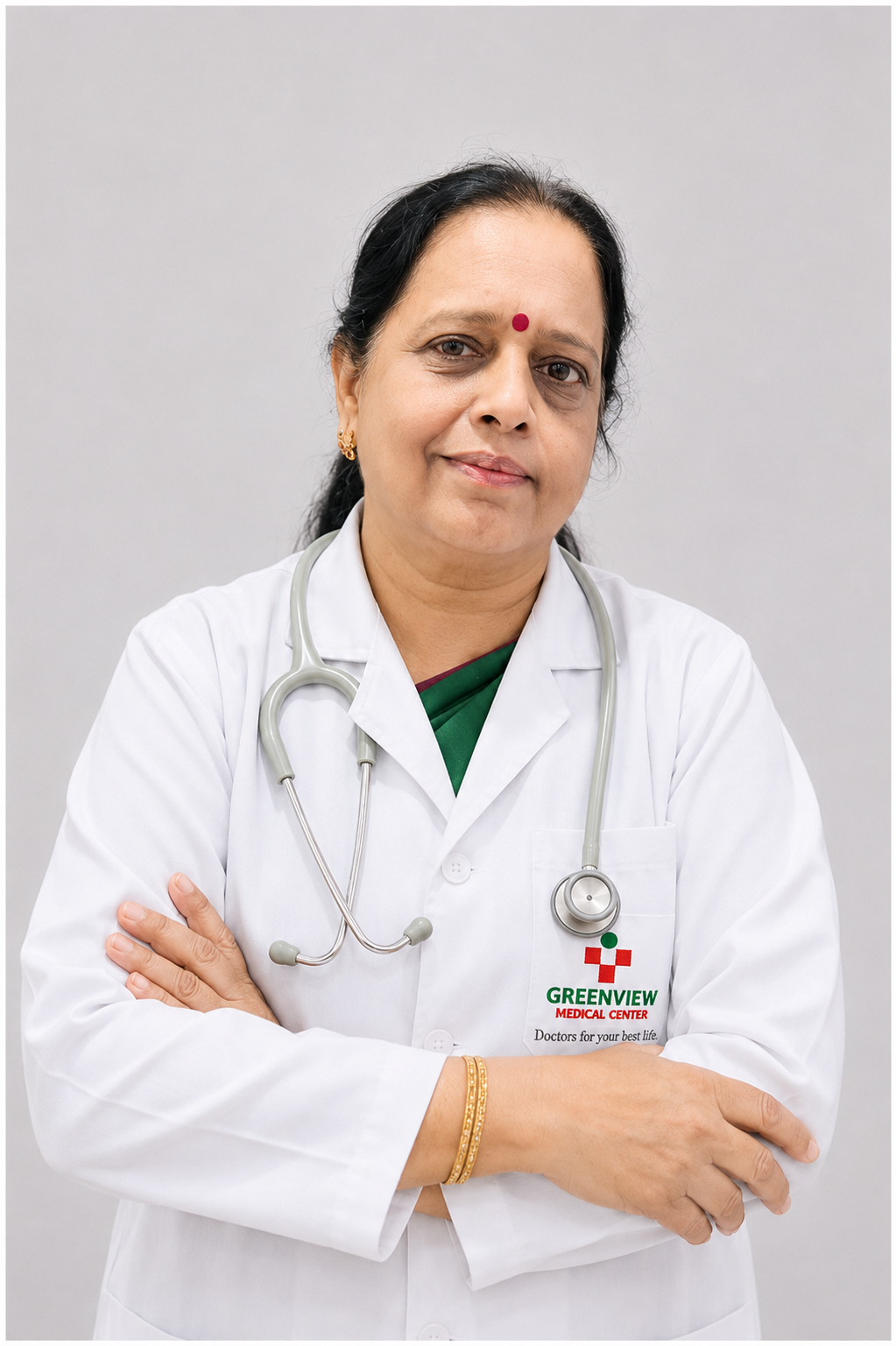
Dr. Achi Ashok
MBBS, MD (OBG) [AIIMS], Diploma in Reproductive Medicine (Germany). Obstetrician, gynaecologist and fertility specialist. View profile

Dr. Arun Kumar Gudi
BSc, MSc, M.Phil, Ph.D. IVF and reproductive science. View profile
Cost and insurance
The cost depends on the tests and treatment needed. We give you a clear written estimate before treatment starts. Many health insurance policies do not cover IVF and IUI, though some newer policies and corporate plans do. Fertility related surgery, such as hysteroscopy, may be covered. Our desk can check your policy. See cashless insurance.
Frequently Asked Questions
When should we see a fertility specialist?
After 12 months of trying if the woman is under 35, after 6 months if 35 or older, or sooner if there are known problems such as irregular periods.
Do both partners need tests?
Yes. Male factors contribute in many couples, so a semen analysis is one of the first tests.
What is the difference between IUI and IVF?
In IUI, sperm is placed inside the uterus and fertilisation happens naturally. In IVF, eggs and sperm are joined in a laboratory and an embryo is placed in the uterus.
How many IUI cycles should we try before IVF?
Many couples try three to four IUI cycles. Your doctor may suggest IVF sooner depending on age and test results.
Is IUI painful?
IUI usually causes only mild discomfort, similar to a smear test, and takes a few minutes.
Can PMOS affect fertility?
Yes, PMOS can stop regular ovulation. Many women with PMOS conceive with lifestyle changes and ovulation induction.
Does age affect fertility?
Yes. A woman's fertility falls gradually from her early 30s and more quickly after 35. Men's fertility also declines with age, but more slowly.
Is fertility treatment covered by insurance?
IUI and IVF are often not covered, but some policies include them. Fertility related surgery may be covered.
Will my treatment be kept private?
Yes. Your consultations, tests and records are confidential.
What should we bring to the first visit?
Photo ID for both partners, any previous reports, scans, semen analysis results and a list of medicines.
Speak with a fertility specialist in HSR Layout
Greenview Medical Center, 20 & 21, 14th Main Road, Opposite Agara Lake, Sector 5, HSR Layout, Bengaluru 560102. Close to Koramangala, BTM Layout, Bellandur, Sarjapur Road and Electronic City. Call 080 6792 7777, WhatsApp +91 96861 15772, or book online at our fertility clinic in HSR Layout.
Sources
- World Health Organization: Infertility
- NICE guideline CG156: Fertility problems: assessment and treatment
- Ministry of Health and Family Welfare: National ART and Surrogacy Registry
This page is for general information and does not replace a consultation with a doctor.