

Gynaecological Surgery: Gynecologist Surgeon in HSR Layout
Medically reviewed by Dr. Achi Ashok, MBBS, MD (OBG) [AIIMS] | Last reviewed:
Keyhole, hysteroscopic, vaginal and open surgery for women, with theatres, ICU and blood bank on one campus.
Emergency: 24 × 7
If you need gynaecological surgery, you can see a gynecologist surgeon in HSR Layout at Greenview Medical Center. We treat heavy bleeding, fibroids, ovarian cysts, endometriosis, prolapse and abnormal screening results. Many operations use keyhole or hysteroscopic methods, with smaller cuts and a shorter hospital stay. Our hospital sits opposite Agara Lake in Sector 5, close to Koramangala, BTM Layout, Bellandur and Sarjapur Road.
Your surgeon explains each option in plain words. Care is planned around your health, your age and your family plans. You can book online, call 080 6792 7777 or message us on WhatsApp.
Gynaecological surgery at Greenview at a glance
Greenview is a 55-bed, NABH accredited hospital in HSR Layout. Operation theatres, an ICU and a blood bank are on campus. Gynaecology surgery is led by Dr. Achi Ashok. OPD and emergency care run 24x7. Cashless treatment is available with 43 insurers and TPAs. The key facts are below.
| Speciality | Gynaecological surgery: laparoscopic, hysteroscopic, vaginal and open |
|---|---|
| Gynaecology surgeon | Dr. Achi Ashok (KMC 39148), MBBS, MD (OBG) [AIIMS], Dip. in Reproductive Medicine (Germany) |
| Hospital OPD | 24/7 |
| Emergency | Emergency: 24 × 7 |
| On campus | Operation theatres, ICU, blood bank, in-house laboratory, imaging with 3D/4D ultrasound, and pharmacy |
| Hospital | 55 beds · NABH accredited · ISO 9001:2015 certified (register 01 100128107) · FOGSI A+++ High-Risk Pregnancy Care Centre |
| Cashless insurance | 43 insurers and TPAs |
| Address | 20 & 21, 14th Main Road, Opposite Agara Lake, Sector 5, 1st Block Koramangala, HSR Layout, Bengaluru, Karnataka 560102. Close to Koramangala, BTM Layout, Bellandur and Sarjapur Road. |
| Phone and WhatsApp | 080 6792 7777 · WhatsApp +91 96861 15772 |
| appt@gvhcol.com |
When might you need gynaecological surgery?
Most gynaecological problems start with medicines or simple tests. Surgery is considered when symptoms affect daily life or other treatment has not helped. It may also be needed when a scan shows a growth that should be removed. A gynecologist surgeon in HSR Layout can examine you and explain whether an operation is really needed.
Heavy or irregular bleeding
Periods that soak a pad every hour, last over a week or bring large clots need a check. Bleeding between periods or after intercourse also needs review. Common causes include fibroids, polyps and hormone changes. Many are treated with medicines or hysteroscopy.
Pelvic pain and painful periods
Period pain that stops you working or studying is not normal. Pain during intercourse or when opening your bowels may point to endometriosis. An examination and scan help find the cause. Keyhole surgery may help when medicines do not.
Fibroids, cysts and lumps
Fibroids are non cancerous growths of the womb muscle. Ovarian cysts are fluid filled sacs on the ovary. Most need only monitoring. Fibroid surgery or ovarian cyst surgery is advised when they cause pain, bleeding, pressure or fertility problems.
Prolapse and urine leakage
A dragging feeling or a bulge in the vagina may mean pelvic organ prolapse. Leaking urine when you cough or laugh is also common after childbirth. Exercises and support devices help many women. Pelvic floor repair is an option when they do not.
Abnormal screening results
An abnormal Pap smear or HPV test usually means early cell changes, not cancer. Further tests check the cervix closely. Treating these changes early helps prevent cancer. Read about gynaecological cancer care.
Conditions We Evaluate & Treat
Our gynecologist surgeon in HSR Layout and team treat conditions of the uterus, ovaries, cervix and pelvic floor. Five areas have their own detailed pages, listed below. Each page explains symptoms, tests, treatment choices and recovery. Other common procedures are listed at the end. Every plan is agreed with you after a consultation and the right tests.
Advanced laparoscopic surgery
Laparoscopic surgery uses a camera and fine instruments passed through small cuts in the abdomen. It is used for hysterectomy, fibroid removal, ovarian cysts, ectopic pregnancy and diagnosing pelvic pain. Most women have less pain, a shorter stay and a quicker return to daily life than after open surgery. Your laparoscopic gynecologist checks whether it suits you.
Gynaecological oncology
Gynaecological oncology covers cancers of the cervix, uterus, ovaries, vulva and vagina. We offer screening with Pap smear and HPV tests. We also examine women with warning signs such as bleeding after menopause. When cancer is found, surgery and further care are planned with our cancer specialists. Most abnormal results turn out to be treatable early changes.
Endometriosis surgery
Endometriosis is tissue like the womb lining growing outside the womb. It causes pain and sometimes fertility problems. Treatment starts with pain relief and hormone medicines. When these do not help, laparoscopic surgery can remove endometriosis patches and chocolate cysts. Surgery is planned to protect the ovaries, especially if you hope to become pregnant later.
Hysteroscopic surgery
Hysteroscopy uses a thin telescope passed through the cervix to look inside the uterus. There are no cuts on the abdomen. It finds and treats polyps, fibroids inside the cavity, a septum, scar tissue and a lost IUD. It is also used before fertility treatment. Most procedures are done as day care, so you go home the same day.
Pelvic floor reconstruction
Pelvic floor reconstruction repairs weak support that lets the uterus, bladder or bowel drop into the vagina. Many women improve first with pelvic floor exercises, a pessary or lifestyle changes. When symptoms stay troublesome, vaginal or keyhole repair restores support. Surgery for stress urine leakage is also discussed when exercises have not helped.
Other gynaecological procedures
Your surgeon may also discuss these procedures after examining you:
- Diagnostic laparoscopy for unexplained pelvic pain
- Laparoscopic sterilisation (tubal ligation)
- Vaginal hysterectomy
- Treatment of Bartholin's cysts and abscesses
- Procedures for early cell changes of the cervix
Keyhole, hysteroscopic, vaginal and open surgery compared
The right approach depends on the problem, the size of the uterus or growth, and any past surgery. Keyhole and hysteroscopic methods usually mean less pain and a faster recovery. Vaginal surgery avoids a cut on the abdomen. Open surgery is still the safer choice for some large growths and some cancers.
| Approach | How it is done | Typical uses | Usual hospital stay |
|---|---|---|---|
| Laparoscopic (keyhole) | Camera and instruments through 3 to 4 small cuts in the abdomen | Hysterectomy, fibroids, ovarian cysts, endometriosis, ectopic pregnancy | Usually 1 to 2 days |
| Hysteroscopic | Thin telescope through the vagina and cervix, with no abdominal cut | Polyps, fibroids inside the uterus, septum, scar tissue, biopsy | Usually day care |
| Vaginal | Surgery done through the vagina, with no abdominal cut | Prolapse repair, vaginal hysterectomy | Usually 1 to 3 days |
| Open (abdominal) | One larger cut across the lower abdomen | Very large fibroids or uterus, some cancers, dense scar tissue | Usually 3 to 5 days |
Preparing for gynaecological surgery
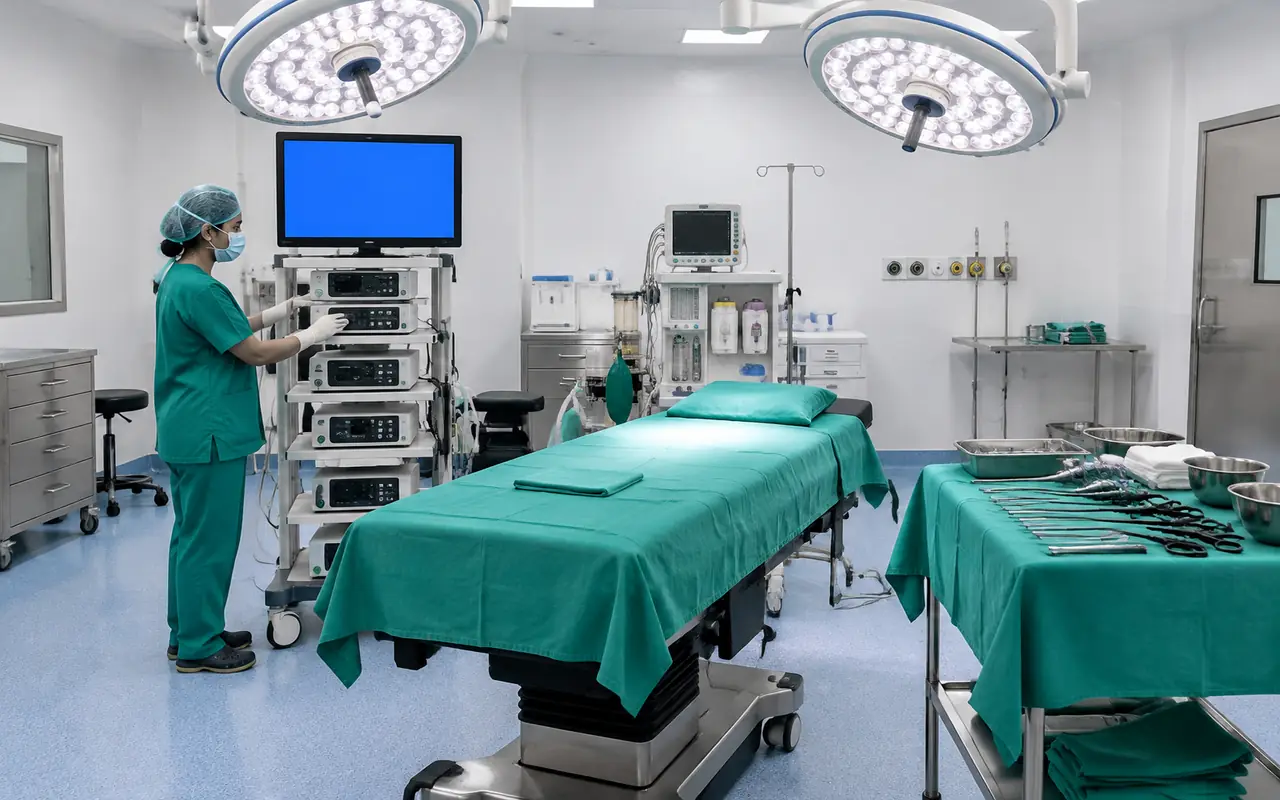
Good preparation makes surgery safer and recovery smoother. Before your operation you will have tests, a check by the anaesthetist and clear advice on medicines and fasting. Our team explains what to bring, how long you may stay and who can be with you. Please ask about anything that worries you.
Before surgery
You meet your surgeon to agree the plan and sign a consent form. The anaesthetist checks your health and any past reactions to anaesthesia.
Tests you may need
Common tests include a blood count, blood group, sugar, kidney function and a urine test. An ECG is done for older women or those with heart conditions. A pelvic ultrasound, sometimes with MRI, maps the problem. Our in-house laboratory and imaging department do most tests on site.
Medicines and fasting
Tell us about every medicine you take, including blood thinners, diabetes tablets and herbal products. Some need to stop a few days before surgery. You usually stop eating six hours before surgery. Clear fluids may be allowed until two hours before, as advised.
On the day of surgery
Arrive at the time given, with your reports, medicines and insurance papers. You change into a gown and meet the nurse and anaesthetist. Surgery takes place in our operation theatres. Afterwards you rest in recovery until you are fully awake.
Recovery at home
Most women walk within hours of keyhole surgery. Take painkillers as prescribed and keep the wounds clean and dry. Avoid heavy lifting and intercourse until your surgeon advises. Call us for fever, heavy bleeding, worsening pain or trouble passing urine.
Fertility and ovary preserving options
If you hope to have children, tell your surgeon before any plan is made. Many conditions can be treated while keeping the uterus and ovaries. Fibroids can be removed by myomectomy, and cysts can be removed while keeping healthy ovary. Early cervical changes are often treated locally. Our fertility and IVF team can advise before surgery.
Even when the uterus is removed, healthy ovaries are often kept. This avoids early menopause in younger women. Your gynecologist surgeon in HSR Layout explains these choices so you can decide with full information.
Your gynaecology surgeons in HSR Layout
Gynaecology surgery at Greenview is led by Dr. Achi Ashok. She holds an MD in obstetrics and gynaecology from AIIMS. She also has a diploma in reproductive medicine from Germany. Her practice includes laparoscopic and hysteroscopic surgery. Anaesthetists, theatre nurses and critical care doctors complete the team around every gynecologist surgeon in HSR Layout.
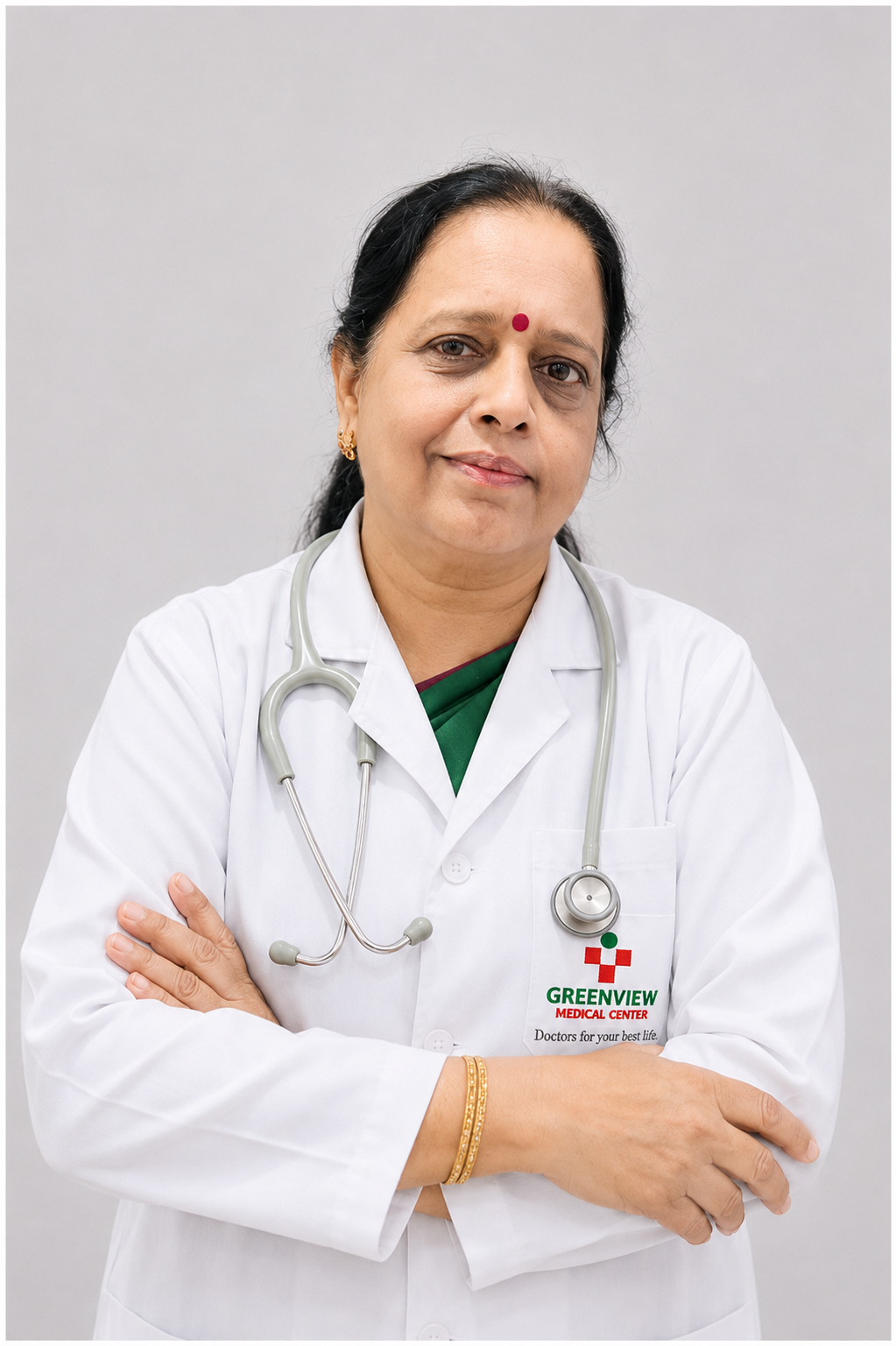
Dr. Achi Ashok
Obstetrics, Gynaecology & Infertility · KMC 39148
MBBS, MD (OBG) [AIIMS], Diploma in Reproductive Medicine (Germany). Gynaecologist performing laparoscopic and hysteroscopic surgery, with care for fibroids, endometriosis, ovarian cysts, menstrual disorders and fertility concerns.
Consultation: Monday to Saturday · 12:00 PM to 2:00 PM and 7:30 PM to 9:30 PM. Please call to confirm a time.
View Dr. Achi Ashok's profilePrivacy, dignity and support
We understand that gynaecology visits can feel personal. You can ask for a woman gynaecologist when you book. You are welcome to bring a family member or friend. You can also ask for a chaperone during any examination. Consultations take place in a private room. Your records stay confidential and are shared only with your consent.
If you feel anxious about surgery, please tell us. Our team can arrange counselling support during and after treatment.
Cashless insurance, costs and admission
Greenview offers cashless treatment with 43 insurers and TPAs. The cost of surgery depends on the procedure, anaesthesia, tests and length of stay. We give you a written estimate before admission. Our insurance desk checks your policy and starts pre authorisation. See cashless insurance for the full list of partners.
When to seek urgent gynaecological care
Some symptoms need same day care. Come to our 24x7 emergency or call 080 6792 7777 if you have any of the signs below. Do not wait for a routine appointment. Our emergency team can call the gynaecologist, arrange scans and open the operation theatre when needed.
- Very heavy bleeding, soaking a pad every hour
- Sudden severe pain in the lower abdomen
- Pain or bleeding in early pregnancy, which may be an ectopic pregnancy
- Fever with pelvic pain or foul smelling discharge
- Fainting, dizziness or a racing heartbeat with bleeding
- Heavy bleeding, fever or worsening pain after surgery
Frequently Asked Questions
Is there a gynecologist surgeon in HSR Layout?
Yes. Greenview Medical Center, opposite Agara Lake in Sector 5, HSR Layout, has a gynecologist surgeon. The service covers keyhole, hysteroscopic, vaginal and open gynecology surgery. Dr. Achi Ashok leads the service. Operation theatres, an ICU and a blood bank are on campus. Book online, call 080 6792 7777 or message us on WhatsApp.
What is gynaecological surgery?
Gynaecological surgery treats problems of the uterus, cervix, ovaries, fallopian tubes, vagina and pelvic floor. Common operations include hysterectomy, fibroid surgery, ovarian cyst surgery, endometriosis surgery, hysteroscopy and prolapse repair. Many are done by keyhole or through the vagina. Your surgeon explains which approach suits your condition and health.
Is laparoscopic surgery better than open surgery?
For many women, laparoscopic surgery means less pain, smaller scars, a shorter stay and a quicker return to work. It is not right for everyone. Very large fibroids, dense scar tissue or some cancers may need open surgery. Your surgeon recommends the safer approach after examining you and reviewing your scans.
How long is the hospital stay after gynae surgery?
It depends on the operation. Most hysteroscopy is day care, so you go home the same day. After laparoscopic surgery, most women stay one to two days. Vaginal surgery usually needs one to three days. Open surgery often needs three to five days. Your surgeon gives you an estimate before admission.
When can I return to work after gynaecological surgery?
After hysteroscopy, most women return to work within one or two days. After laparoscopic surgery, desk work is often possible in two to three weeks. Open surgery and prolapse repair usually need four to six weeks. Physical jobs may need longer. Your surgeon advises you based on your operation and recovery.
Will surgery affect my fertility?
Many operations protect fertility. Fibroids can be removed while keeping the uterus, and ovarian cysts can be removed while keeping healthy ovarian tissue. Removing the uterus ends the chance of pregnancy. Tell your surgeon if you plan to have children. Our fertility team can help plan the timing of surgery.
Can I choose a female doctor?
Yes. You can ask for a woman gynaecologist when you book your appointment. Dr. Achi Ashok leads our gynaecology surgery service. You may also bring a family member or friend to your consultation. Tell our front desk your preference when you call 080 6792 7777 or book online.
Is gynaecological surgery covered by insurance?
Most health insurance policies cover medically needed gynaecological surgery, such as hysterectomy, fibroid surgery and prolapse repair. Greenview offers cashless treatment with 43 insurers and TPAs. Some policies have waiting periods for certain operations. Our insurance desk checks your policy and arranges pre authorisation before admission.
Do I need a second opinion before a hysterectomy?
A second opinion is reasonable before any major planned operation, including hysterectomy. Ask whether medicines, hysteroscopy or myomectomy could treat your problem first. A clear plan explains why surgery is advised and what alternatives exist. You are welcome to bring earlier reports to our gynecologist surgeon in HSR Layout for a fresh review.
What should I bring to my first appointment?
Bring photo ID, your insurance card, earlier scans, blood reports and a list of medicines. Note the date of your last period and any symptoms you want to discuss. Bring previous surgery summaries if you have them. You are welcome to bring a family member or friend for support.
Speak with a gynecologist surgeon in HSR Layout
Book a consultation with a gynecologist surgeon in HSR Layout at Greenview Medical Center. We are at 20 & 21, 14th Main Road, Opposite Agara Lake, Sector 5, HSR Layout, Bengaluru 560102. We are close to Koramangala, BTM Layout, Bellandur and Sarjapur Road. Call 080 6792 7777, WhatsApp +91 96861 15772, or book online.
Email: appt@gvhcol.com
Sources and medical information
This page draws on patient guidance from the NHS and two leading colleges of obstetrics and gynaecology. These are the American College of Obstetricians and Gynecologists and the Royal College of Obstetricians and Gynaecologists. These sources explain operations, risks and recovery in plain language. This page is for general information and does not replace a consultation with a doctor.
- NHS: Hysterectomy
- ACOG: Women's Health FAQs
- Royal College of Obstetricians and Gynaecologists: Patient information