
Hysteroscopic Surgery: Hysteroscopy in HSR Layout
Medically reviewed by Dr. Achi Ashok, MBBS, MD (OBG) [AIIMS] | Last reviewed:
A look inside the uterus with no cuts on the abdomen, usually as day care.
Emergency: 24 × 7
Greenview Medical Center offers hysteroscopy in HSR Layout to look inside the uterus and treat problems such as heavy bleeding, polyps, fibroids, a uterine septum and scar tissue, with no cuts on the abdomen. Hysteroscopy is also an important test before fertility treatment. Most procedures are done as day care, and many women return to normal activities the next day. Call 080 6792 7777 to book.
What is hysteroscopy?
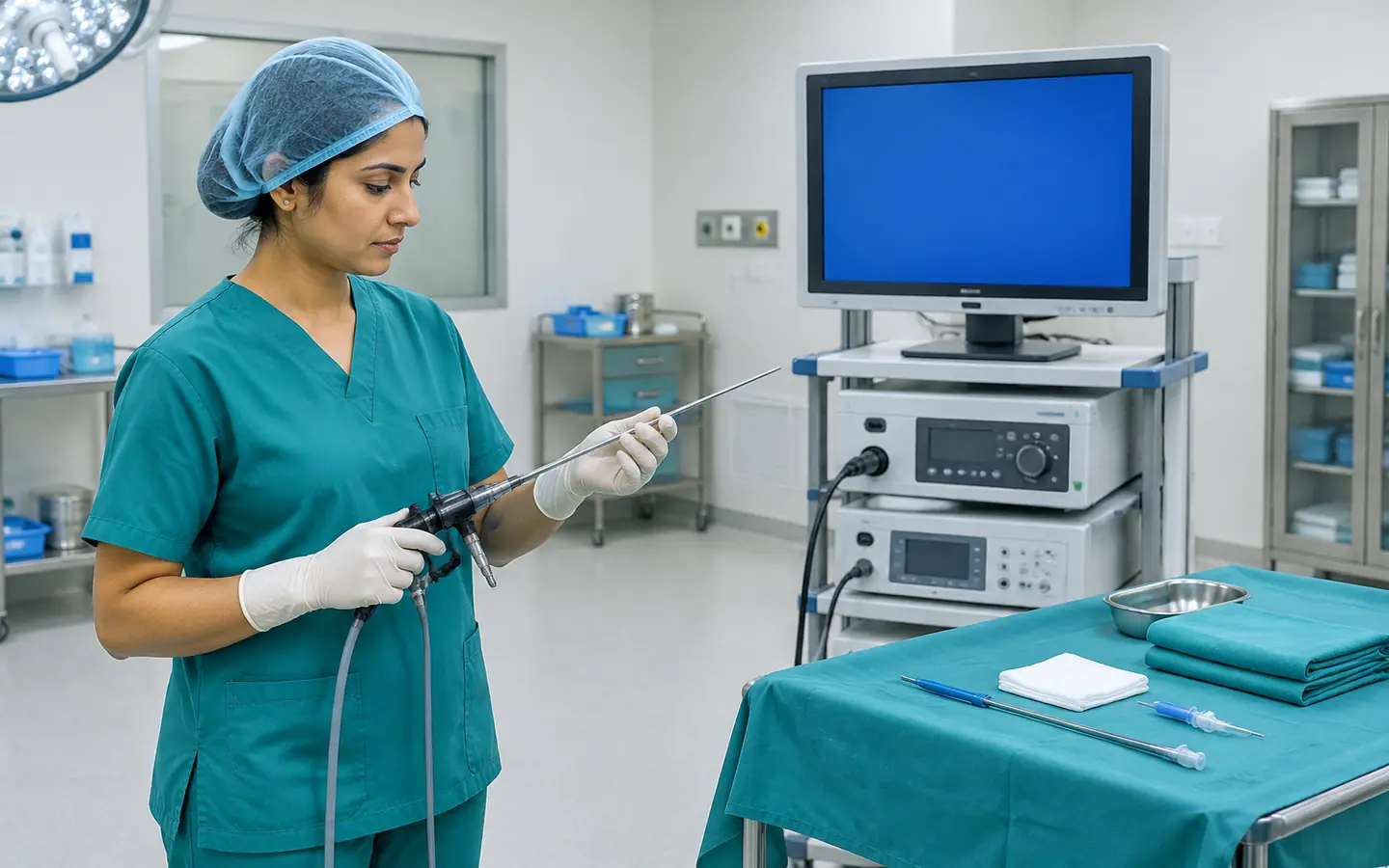
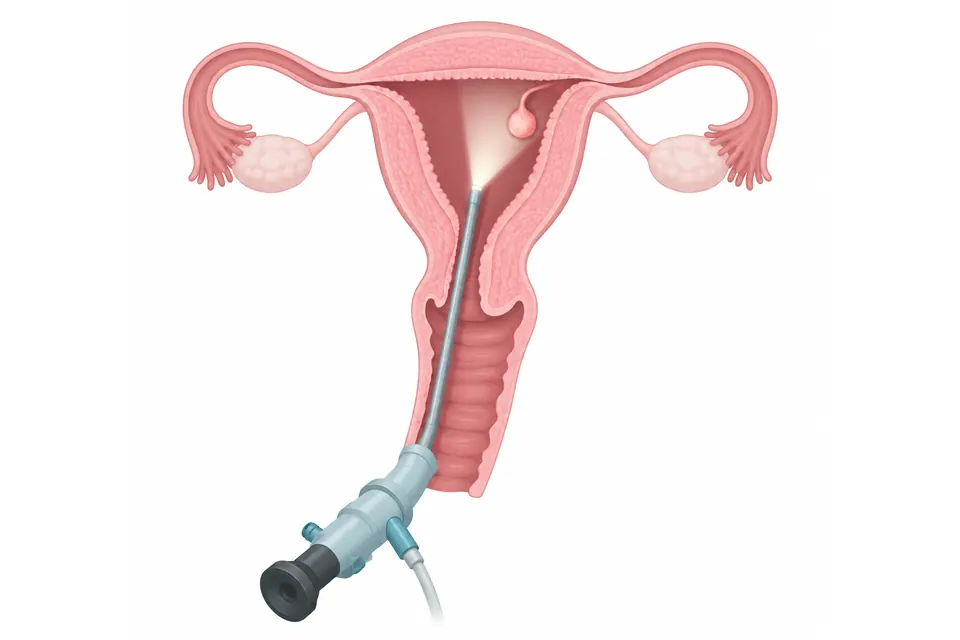
Hysteroscopy is a procedure in which a thin telescope with a camera, called a hysteroscope, is passed through the vagina and cervix into the uterus. Fluid gently opens the uterine cavity so the doctor can see the lining clearly on a screen. Fine instruments can be passed through the same scope to treat what is found.
Diagnostic and operative hysteroscopy
| Type | Purpose | Anaesthesia | Time taken |
|---|---|---|---|
| Diagnostic | Look inside the uterus and take a sample if needed | Often none or local; sedation if preferred | 5 to 15 minutes |
| Operative | Remove polyps, fibroids, septum or scar tissue | Sedation, spinal or general | 15 to 45 minutes |
Why you may need a hysteroscopy
Heavy or irregular periods
Hysteroscopy can find polyps or fibroids inside the uterus that cause heavy or irregular bleeding, and often remove them in the same procedure.
Bleeding after menopause
Any bleeding after menopause should be investigated. Hysteroscopy with a biopsy helps rule out precancerous changes and cancer of the lining. Read more about gynaecological cancer screening and treatment.
Polyps and fibroids inside the uterus
Polyps are small overgrowths of the lining. Submucosal fibroids bulge into the cavity. Both can cause bleeding and affect fertility.
Infertility and repeated miscarriage
Hysteroscopy can detect a septum, scar tissue, polyps or fibroids that may affect implantation. It is often recommended before IVF. Our gynaecologists work with our fertility and IVF team.
A lost or stuck IUD
If the threads of an intrauterine device cannot be seen or the device has moved, it can be located and removed under direct vision.
Hysteroscopic procedures we perform
Polyp removal
Polyps are removed completely under direct view and sent for testing. This usually relieves abnormal bleeding.
Removal of fibroids inside the uterus
Fibroids that sit mainly inside the cavity can be shaved away through the hysteroscope, avoiding abdominal surgery. Larger fibroids in the wall may need laparoscopic surgery.
Septum correction
A uterine septum is a band of tissue dividing the cavity, present from birth. Removing it may lower the risk of miscarriage in some women.
Removal of scar tissue (adhesions)
Scar tissue inside the uterus, sometimes after infection or previous procedures, can cause scanty periods or infertility. It can be carefully divided.
Endometrial biopsy
A targeted sample of the lining is taken from any area of concern and examined by our pathology team.
Preparing for hysteroscopy in HSR Layout
Your doctor will explain the procedure, check for infection and ensure you are not pregnant. Tell us about any blood thinners or other medicines.
Right time in your cycle
Hysteroscopy is usually planned in the week after your period ends, when the lining is thin and the view is clear. It can be done at any time if you have bleeding after menopause or no periods.
Anaesthesia options
A short diagnostic hysteroscopy is often done with no anaesthesia or a local numbing injection, and taking a painkiller an hour before helps. Operative hysteroscopy is usually done under sedation, spinal or general anaesthesia. You can discuss which you prefer.
What happens during the procedure
Step by step
- You lie on the examination couch or theatre table with your legs supported.
- The doctor passes the hysteroscope gently through the cervix, usually without needing a speculum for diagnostic procedures.
- Fluid fills the uterus so the lining can be seen on the screen.
- The doctor examines the cavity and treats or samples any area of concern.
- The fluid drains out and the scope is removed.
You can usually watch the screen if you wish.
Recovery after hysteroscopy
Most women go home the same day. You may have period like cramps and light bleeding or watery discharge for a few days. Most return to work and normal activities within one to two days. Avoid intercourse, swimming and tampons until bleeding stops, to reduce the risk of infection.
Risks and when to call us
Hysteroscopy is a low risk procedure. Uncommon complications include infection, heavier bleeding, and very rarely a small injury to the wall of the uterus. Call 080 6792 7777 or come to our 24x7 emergency if you have heavy bleeding, fever, foul smelling discharge or severe pain that is not relieved by painkillers.
Hysteroscopy or D&C: what is the difference?
A dilatation and curettage (D&C) scrapes the lining without seeing inside, so polyps or small fibroids can be missed. Hysteroscopy lets the doctor see the whole cavity and target the problem directly, which is why it is now preferred for investigating abnormal bleeding when available.
Your hysteroscopy specialist

Dr. Achi Ashok
Obstetrics, Gynaecology & Infertility · KMC 39148
MBBS, MD (OBG) [AIIMS], Dip. in Reproductive Medicine (Germany)
Consultation: Monday to Saturday · 12:00 PM to 2:00 PM and 7:30 PM to 9:30 PM. Please call to confirm a time.
View Dr. Achi Ashok's profileProcedures are performed in our operation theatres and day care unit. Meet our gynecologist surgeon in HSR Layout team.
Cost and cashless insurance
The cost depends on whether the procedure is diagnostic or operative, the anaesthesia used and any tests. We share a written estimate beforehand. Medically needed hysteroscopy is usually covered by health insurance, and Greenview offers cashless treatment with 43 insurers and TPAs. See cashless insurance.
Frequently Asked Questions
Is hysteroscopy painful?
Most women feel cramping similar to a period during a diagnostic hysteroscopy. Painkillers beforehand help, and sedation or anaesthesia is used for longer procedures.
How long does hysteroscopy take?
A diagnostic hysteroscopy takes 5 to 15 minutes. Operative procedures take 15 to 45 minutes.
How long is recovery after hysteroscopy?
Most women return to normal activities within one to two days.
Is bleeding normal after hysteroscopy?
Light bleeding or watery discharge for a few days is normal. Heavy bleeding or fever needs a call to your doctor.
Why is hysteroscopy done before IVF?
It checks for polyps, fibroids, septum or scar tissue that may affect implantation, so they can be treated before embryo transfer.
Can polyps come back after removal?
They can, but most women do not have further problems. Follow up is advised if symptoms return.
Is hysteroscopy better than D&C?
Hysteroscopy allows a direct view of the uterus, so problems are less likely to be missed. It is preferred for investigating abnormal bleeding.
Is hysteroscopy covered by insurance?
Most policies cover medically needed hysteroscopy. Our insurance desk checks your policy.
Book a hysteroscopy consultation
Greenview Medical Center, Opposite Agara Lake, Sector 5, HSR Layout, Bengaluru 560102. Call 080 6792 7777 or WhatsApp +91 96861 15772 for hysteroscopy in HSR Layout.
Sources
- NHS: Hysteroscopy
- ACOG: Hysteroscopy FAQ
- Royal College of Obstetricians and Gynaecologists: Patient information
This page is for general information and does not replace a consultation with a doctor.