
Kidney Stones: Kidney Stone Treatment in HSR Layout
Medically reviewed by Dr. V H Ashwath Venkataramana, MBBS, MS (General Surgery), MRCS (Edinburgh), MCh (Urology) | Published and last reviewed:
Treatment chosen by stone size and position, from medicines to laser and keyhole removal.
Emergency: 24 × 7
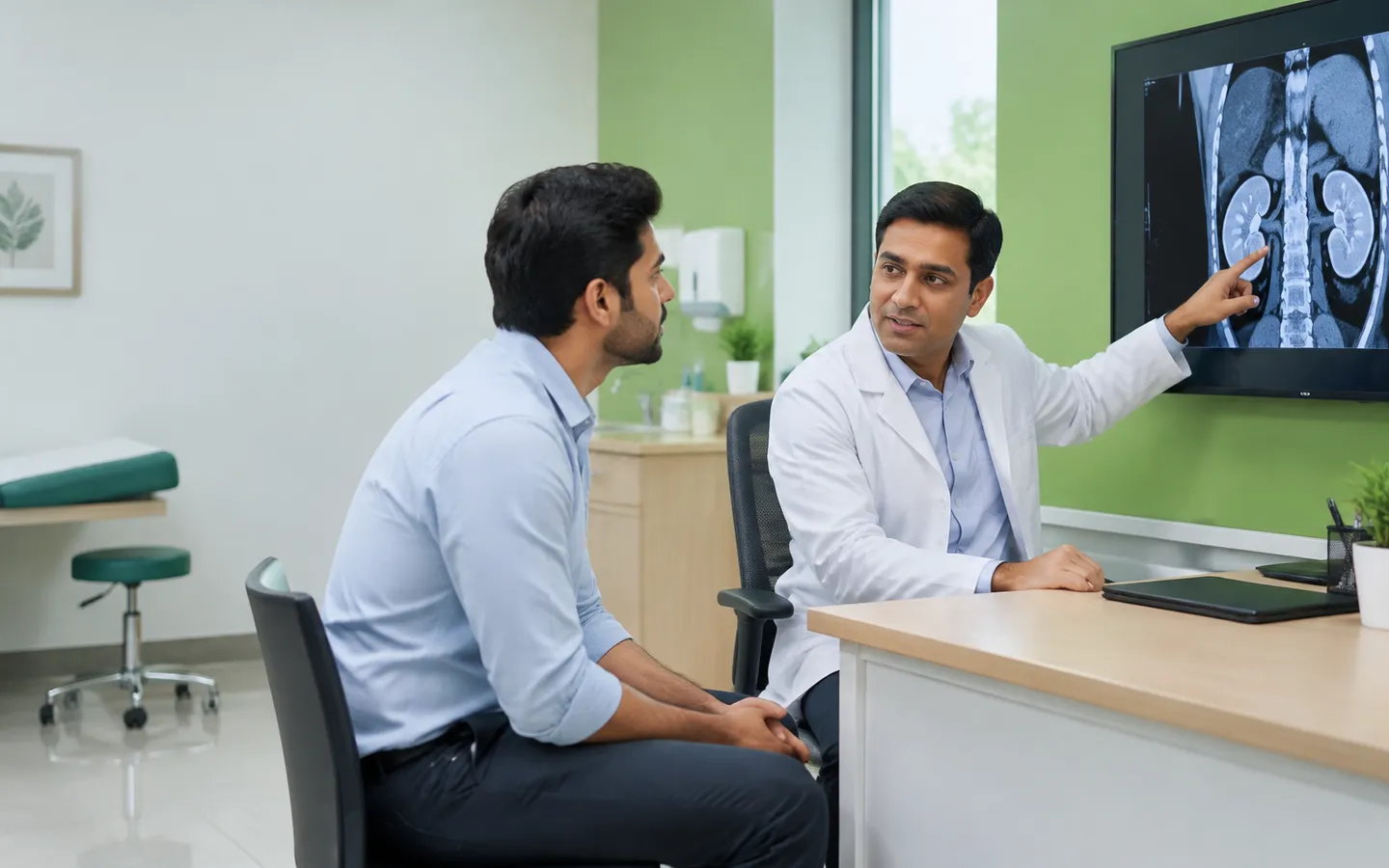
Kidney stones are common, painful and very treatable. Greenview Medical Center offers kidney stone treatment in HSR Layout, from fast pain relief and an accurate CT scan to medicines, minimally invasive stone removal and a plan to stop new stones forming. Treatment is chosen by the size and position of your stone, and many small stones pass without surgery. Our 24x7 emergency treats stone pain at any hour. Call 080 6792 7777 to book.
What are kidney stones?
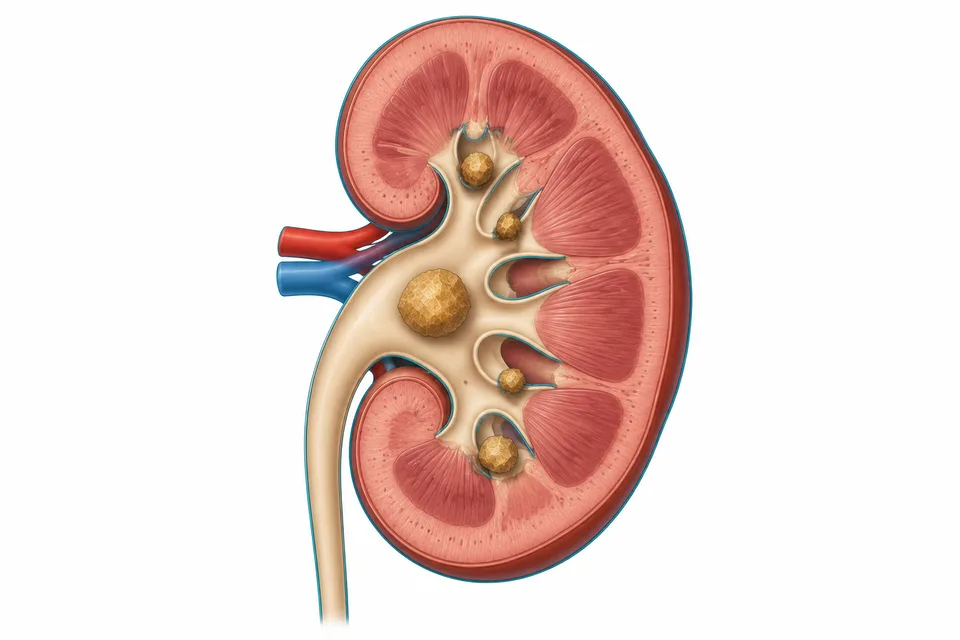
Kidney stones are hard deposits of minerals and salts that form inside the kidney when urine becomes too concentrated. They range from the size of a grain of sand to several centimetres. A stone may stay in the kidney for years without symptoms, or move down the urinary tract and cause sudden pain.
Types of kidney stones
- Calcium oxalate stones: the most common type, linked to low fluid intake, high salt and some foods
- Uric acid stones: linked to a high protein diet, gout, diabetes and obesity; some can be dissolved with medicines
- Infection (struvite) stones: form with certain urine infections and can grow large quickly
- Cystine stones: rare and inherited, often starting in younger people
Knowing the type, through stone analysis, helps prevent future stones.
Kidney stone symptoms
The classic symptom is sudden, severe pain in the side or back, below the ribs. Other signs include:
- Pain spreading to the lower abdomen or groin
- Pain that comes in waves and makes it hard to sit still
- Nausea and vomiting
- Pink, red or brown urine
- Burning or frequent urination
- Fever and chills if infection is present
Silent stones
Many kidney stones cause no symptoms and are found by chance on an ultrasound done for another reason. Small silent stones may only need monitoring, but larger ones can grow or cause problems later.
When kidney stone pain starts
Pain usually begins when a stone moves and blocks the flow of urine. Once a stone enters the ureter, it is called a ureteric stone. Read about ureteric stone treatment for this stage.
Causes and risk factors
- Not drinking enough water
- High salt and high animal protein diet
- Sugary and fizzy drinks
- Obesity, diabetes and gout
- Family or personal history of stones
- Some medicines and supplements
- Repeated urine infections
- Bowel conditions or previous bowel surgery
Why kidney stones are common in Bengaluru
Long hours in air conditioned offices with little water, hot summers, traffic commutes that lead people to drink less, and diets high in salt and processed food all raise the risk. Kidney stones are increasingly seen in young IT professionals as well as older adults.
How we diagnose kidney stones
Urine and blood tests
Urine tests check for blood, crystals and infection. Blood tests check kidney function, calcium and uric acid.
Ultrasound
Ultrasound uses no radiation and shows most kidney stones and any swelling of the kidney. It is the first test in pregnancy and in children.
CT KUB scan
A low dose CT scan of the kidneys, ureters and bladder is the most accurate test. It shows the exact size, position and density of each stone, which guides the treatment choice.
Stone analysis
If you pass a stone or have one removed, our lab can analyse it. People with repeated stones may also have a 24 hour urine test to find the cause.
Kidney stone treatment in HSR Layout by size and location
The right treatment depends on stone size, position, hardness, your symptoms and your general health. Your urologist will explain the options for your stone.
| Stone size and position | Usual first option |
|---|---|
| Under 5 mm, no infection or blockage | Fluids, pain relief, medicines; often passes |
| 5 to 10 mm in the kidney | Monitoring, ESWL or RIRS depending on symptoms |
| 10 to 20 mm in the kidney | RIRS or ESWL; PCNL for some lower kidney stones |
| Over 20 mm, or many stones | PCNL or mini PCNL |
| Any stone with fever and blockage | Urgent drainage with a stent or tube, then stone treatment |
Watchful waiting and medicines
Small stones that cause no symptoms can be monitored with ultrasound. Uric acid stones may dissolve with medicines that make urine less acidic. Pain relief and plenty of fluids help small stones pass.
Shock wave lithotripsy (ESWL)
ESWL uses focused shock waves from outside the body to break a stone into small fragments that pass in the urine. No cut or scope is needed.
Who ESWL suits
ESWL works best for stones under about 15 to 20 mm that are not too hard. It may need more than one session, and is not used in pregnancy.
RIRS (flexible ureteroscopy with laser)
Retrograde intrarenal surgery uses a thin, flexible scope passed through the urethra and bladder into the kidney, with no cuts on the body. A laser breaks the stone into dust or small pieces.
How RIRS is done
RIRS is done under anaesthesia and usually takes 45 to 90 minutes. Fragments are removed or left to pass. A temporary DJ stent may be placed. Most patients go home the same day or the next day.
PCNL and mini PCNL
Percutaneous nephrolithotomy removes stones through a small opening in the back, directly into the kidney, guided by imaging.
When PCNL is needed
PCNL is the preferred option for stones larger than about 20 mm, staghorn stones that fill the kidney, and some lower kidney stones. Mini PCNL uses a smaller opening. Hospital stay is usually one to three days.
DJ stents after stone surgery
A DJ stent is a soft, thin tube placed between the kidney and bladder to keep urine flowing while swelling settles. It usually stays for one to four weeks and is removed in a short clinic procedure. Stents can cause mild discomfort and frequent urination until removed.
When a kidney stone moves into the ureter
A stone that leaves the kidney and travels down the ureter often causes the sudden, severe pain known as renal colic. Many small ureteric stones pass on their own, while others need ureteroscopy. See our guide to ureteric stone treatment.
Recovery after kidney stone surgery
After RIRS or ESWL, most people return to desk work in two to three days. After PCNL, allow about one week. Mild blood in urine and some discomfort are common for a few days. Drink plenty of water and attend follow up so your urologist can confirm the kidney is clear and remove any stent on time.
Preventing kidney stones from coming back
Many people who have had one stone form another within some years. Simple daily habits greatly lower this risk.
Water and fluids
Drink enough to pass about 2.5 litres of pale urine a day, usually around 3 litres of fluid, and more in hot weather or after exercise. Lemon water can help some stone types.
Food and salt
- Reduce salt and processed foods
- Keep normal amounts of milk, curd and other calcium foods; cutting calcium can increase stones
- Limit red meat and very high protein diets
- Avoid sugary and fizzy drinks
- If you form calcium oxalate stones, avoid large amounts of spinach, nuts, chocolate and strong tea
Medicines and follow up
People with repeated stones may benefit from medicines that change urine chemistry, based on stone analysis and urine tests. An ultrasound every year or two checks for new stones early.
Kidney stones in pregnancy, children and people with diabetes
In pregnancy, ultrasound is used instead of CT, and treatment focuses on pain relief and, if needed, a temporary stent until after delivery. We work with our obstetrics and gynaecology team. Children with stones need tests for underlying causes and are treated with our paediatrics team. People with diabetes have a higher risk of uric acid stones and infection, so prompt care is important.
Your kidney stone specialist at Greenview
Our urologists, Dr. V H Ashwath Venkataramana and Dr. Narasimhaiah, treat kidney stones from emergency pain relief to stone removal and long term prevention. Procedures are done in our operation theatres with C-arm imaging. Meet our urologist in HSR Layout team.

Dr. V H Ashwath Venkataramana
Urologist · KMC 119804
MBBS, MS (General Surgery), MRCS (Edinburgh), MCh (Urology)
Consultation: 4:30 PM. Please call to confirm a time.
View Dr. V H Ashwath Venkataramana's profile
Dr. Narasimhaiah
Urologist · KMC 39419
MBBS, MS, MCh
Consultation: 10:30 AM. Please call to confirm a time.
View Dr. Narasimhaiah's profileCost and cashless insurance for kidney stone treatment
The cost depends on stone size, the procedure, the need for a stent and length of stay. We share a written estimate before any procedure. Kidney stone treatment is usually covered by health insurance, and Greenview offers cashless treatment with 43 insurers and TPAs. See cashless insurance.
Frequently Asked Questions
What are the first signs of a kidney stone?
Sudden pain in the side or back, pain spreading to the groin, nausea and blood in urine are the most common first signs. Some stones cause no symptoms at all.
What size kidney stone needs surgery?
Stones under 5 mm usually pass on their own. Stones over 10 mm, or any stone causing blockage, infection or repeated pain, usually need a procedure.
Can kidney stones be removed without surgery?
Yes. Small stones often pass with fluids and medicines, and ESWL breaks stones from outside the body. RIRS removes stones through natural passages with no cuts.
Is laser kidney stone surgery safe?
Laser treatment through a scope is a widely used, safe method when done by an experienced urologist. Your doctor will explain the small risks, such as infection or bleeding.
How long is recovery after RIRS?
Most people go home the same day or the next day and return to desk work within two to three days.
Which foods should I avoid with kidney stones?
Reduce salt, processed foods, red meat and sugary drinks. If you form calcium oxalate stones, avoid large amounts of spinach, nuts, chocolate and strong tea. Do not cut out calcium.
How much water should I drink to prevent stones?
Aim for about 3 litres of fluid a day, enough to keep your urine pale, and more in hot weather.
Do kidney stones come back?
They often can. Drinking enough water, diet changes and follow up greatly lower the risk.
Can kidney stones damage the kidney?
A stone that blocks urine for a long time or causes repeated infections can harm kidney function, which is why blocked stones are treated promptly.
Is kidney stone treatment covered by insurance?
Most policies cover medically needed kidney stone procedures. Our insurance desk checks your policy and arranges cashless approval.
Book a kidney stone consultation
Greenview Medical Center, Opposite Agara Lake, Sector 5, HSR Layout, Bengaluru 560102. Call 080 6792 7777 or WhatsApp +91 96861 15772 for kidney stone treatment in HSR Layout.
Email: appt@gvhcol.com
Sources
- NICE guideline NG118: Renal and ureteric stones: assessment and management
- NHS: Kidney stones
- Urology Care Foundation: Urology health information
This page is for general information and does not replace a consultation with a doctor.