

Hearing Loss Treatment in HSR Layout, Bengaluru
Ear checks, hearing test guidance and urgent care for sudden hearing loss.
Emergency: 24 × 7
Hearing loss treatment in HSR Layout begins with understanding what has changed in your everyday listening. Greenview Medical Center, opposite Agara Lake, offers ENT assessment for blocked ears, unclear speech and sudden hearing changes.
Travelling from Bellandur or BTM Layout? Call ahead for appointments, but seek immediate care for sudden changes.
Sudden hearing loss in one ear needs urgent care. Call 080 6792 7777.
Types of hearing loss
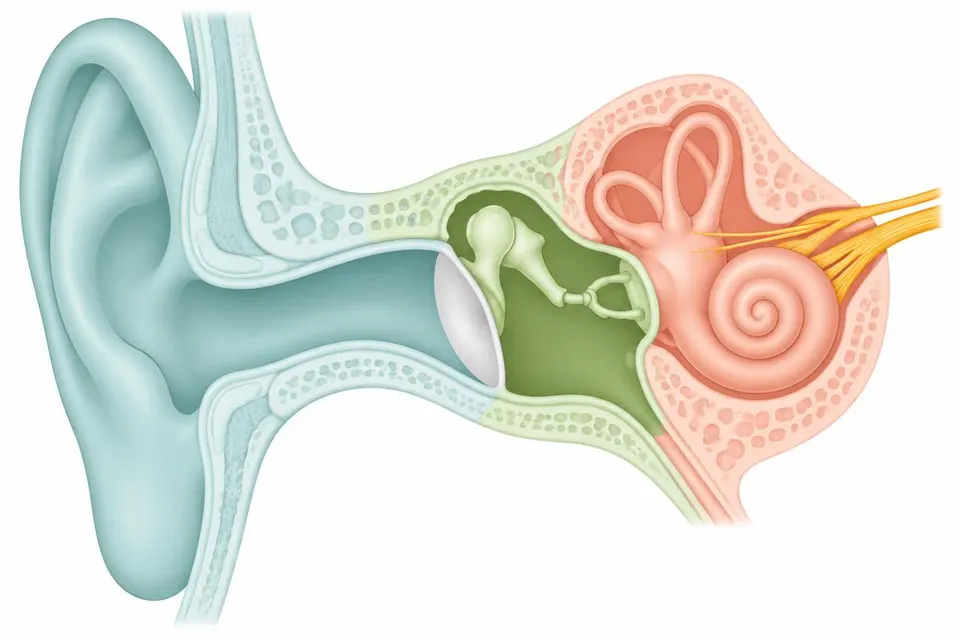
Hearing loss can involve sound travelling through the ear, sound detection, or both processes together. These patterns are called conductive, sensorineural and mixed hearing loss. Finding the pattern guides treatment choices. Your symptoms alone cannot establish the type, so examination and appropriate testing matter before choosing medicines or devices.
| Type | Where the problem is | Common causes | Usual treatment |
|---|---|---|---|
| Conductive | Outer or middle ear | Wax, fluid, eardrum damage | Blockage treatment, selected surgery |
| Sensorineural | Inner ear or hearing nerve | Ageing, noise, sudden inner ear injury | Hearing support, urgent steroids when indicated |
| Mixed | Conductive and inner ear pathways | Combined middle and inner ear problems | Combined medical and hearing support |
Conductive hearing loss
A blockage or middle ear problem stops sound passing through normally. Hearing may improve after the cause is treated.
Sensorineural hearing loss
Damage affects inner ear sensory cells or the hearing nerve. Gradual changes often need hearing rehabilitation rather than medicines.
Mixed hearing loss
Mixed loss combines reduced sound conduction with inner ear damage. Treating the conductive component may help, while hearing support addresses remaining difficulties.
Signs of hearing loss in adults and children
Hearing difficulty often appears as missed words, repeated questions or increased television volume. Children may respond inconsistently or develop speech more slowly. These signs deserve assessment, even without ear pain. Changes can develop gradually, and relatives may notice them first during ordinary conversations, lessons or play at home.
Signs in adults
Busy restaurants may become tiring because speech blends into background noise. Tinnitus with hearing loss can make concentration harder, especially in quiet rooms.
- Asking others to repeat themselves
- Missing speech from one side
- Avoiding group conversations
Signs in babies and children
Babies may not react consistently to familiar voices or sounds. Older children might seem inattentive, struggle at school or need frequent repetition.
Discuss concerns with ENT and paediatric care, rather than waiting for speech to catch up. Hearing assessment should match the child's developmental stage.
Common causes
Common causes include impacted wax, ear infections, middle ear fluid, ageing and excessive noise exposure. Eardrum damage can also reduce hearing. Hearing loss in one ear causes concern because different problems can feel similar. An ENT review identifies likely causes and decides whether further investigations or another specialist are needed.
Noise induced hearing loss can follow prolonged loud sound or a single intense exposure. Some medicines can affect hearing, so bring your current prescription list.
Do not stop prescribed medicines without advice. Mention previous ear operations, injuries, discharge and family hearing difficulties.
Sudden hearing loss: why every hour counts
Sudden hearing loss is an emergency, particularly when hearing drops over hours or a few days. It may feel like blockage, with ringing or dizziness. Seek urgent assessment rather than assuming wax is responsible. Early examination helps identify inner ear loss, where delays can reduce the opportunity for effective treatment.
Call 080 6792 7777 or attend the 24x7 emergency department for an abrupt hearing change. Sudden hearing loss treatment should not wait for a convenient routine slot.
Facial weakness, difficulty speaking or limb weakness alongside hearing changes need immediate emergency assessment. The doctor may involve neurology care when associated symptoms suggest a neurological problem.
Hearing tests at Greenview
Ear examination, otoscopy and tuning fork tests form part of the ENT consultation at Greenview. Other hearing tests may be needed to measure hearing or assess middle ear function. Your ENT doctor arranges these investigations and explains their location. Not every test takes place on site.
Ear examination and otoscopy
The doctor examines the ear canal and eardrum with an otoscope. Tuning fork tests help distinguish possible conductive and sensorineural patterns.
If you need a hearing test in HSR Layout, begin by describing when symptoms started. Mention whether one ear or both ears are affected.
Pure tone audiometry
Pure tone audiometry measures the quietest tones you hear at different pitches. Responses create an audiogram showing the pattern and degree of hearing loss.
For an audiometry test Bangalore referral, your ENT doctor will arrange testing and explain the location. Bring previous audiograms.
Tympanometry
Tympanometry checks how the eardrum moves as air pressure changes gently. It helps assess middle ear fluid or pressure problems.
Your doctor will organise tympanometry when indicated and tell you where it is done. This test complements hearing measurements rather than replacing them.
Tests for newborns and children
OAE records responses generated within the inner ear. BERA records electrical responses along hearing pathways using sensors.
The ENT doctor will arrange age appropriate testing and clarify the testing centre. These investigations help assess children who cannot reliably respond to conventional hearing tests.
Hearing loss treatment options in HSR Layout
Hearing loss treatment in HSR Layout depends on the cause, hearing pattern and your communication needs. Removing wax or treating infection may improve conductive loss. Sudden inner ear loss needs urgent medical assessment. Persistent hearing difficulty may require hearing aids, rehabilitation or referral for specialist procedures after discussion of alternatives.
Ear wax removal and infection treatment
For ear wax removal HSR Layout enquiries, the doctor first checks whether removal is necessary and safe. The removal method depends on your ear examination.
Infections need treatment matched to the affected part of the ear. Avoid inserting cotton buds or using leftover drops without advice.
Medicines for sudden hearing loss
Corticosteroids may be prescribed by mouth or injected through the eardrum for sudden sensorineural hearing loss. Treatment should start early, ideally within days, after urgent assessment.
Your doctor weighs possible benefits against medical conditions and medicine risks. Do not delay care while trying home remedies for presumed blockage.
Ear surgery
Selected structural ear problems may need surgery after examination and hearing assessment. Your surgeon explains the aim, alternatives, risks and expected follow up.
Eardrum repair (tympanoplasty)
Tympanoplasty repairs a damaged eardrum when appropriate. Hearing improvement varies with middle ear health and any additional inner ear loss.
Grommets for fluid in children
Grommets are small ventilation tubes placed through the eardrum. They may help selected children with persistent middle ear fluid and hearing difficulties.
Hearing aids and referral for implants
A hearing aid consultation includes discussion of listening needs and referral to an audiologist. Hearing aid assessment and fitting are arranged externally as required.
For severe hearing loss with limited hearing aid benefit, cochlear implant assessment may be considered. Your doctor refers suitable patients to a specialist centre.
Protecting your hearing
Protect hearing by reducing loud sound exposure and giving your ears regular quiet breaks. Use suitable hearing protection around noisy machinery or loud events. Keep earphone volume comfortable and avoid raising it to overpower background noise. Arrange assessment for persistent ringing, muffled hearing or difficulty understanding speech after noise exposure.
Do not put objects into the ear canal to clean it. Keep follow up appointments after infections, especially if hearing remains reduced.
Face the person speaking and reduce competing background sound during conversations. Practical communication changes can help while assessment or hearing rehabilitation is being arranged.
Your hearing specialist in HSR Layout
Your hearing assessment starts with an ENT doctor who reviews symptoms, examines your ears and plans appropriate investigations. Greenview's team includes three named ENT doctors with recognised medical qualifications. Searching for a hearing specialist near me? Choose assessment covering ear health alongside everyday communication difficulties.
Dr. G Mohan, MBBS, MS (ENT), sees ear and hearing concerns. So does Dr. Ruchi Verma, MBBS, MS (ENT). Dr. Medha Mahesh, MBBS, DLO, DNB, also treats hearing loss and ear infections.
Each doctor reviews your ear examination and any earlier hearing reports with you. Contact the ENT specialist in HSR Layout team to confirm individual appointment timings.

Dr. G Mohan
MBBS, MS (ENT)
ENT consultation: Monday to Saturday · 7:00 PM to 7:30 PM
View Dr. G Mohan's profile
Dr. Medha Mahesh
MBBS, Diploma in Otorhinolaryngology (DLO), DNB (Otorhinolaryngology)
ENT consultation: On call
View Dr. Medha Mahesh's profile
Dr. Ruchi Verma
MBBS, MS (ENT)
ENT consultation: Monday, Wednesday and Friday · 11:00 AM · Tuesday and Thursday · 5:30 PM · Saturday · 9:00 AM
View Dr. Ruchi Verma's profileCost and cashless insurance
Costs depend on your examination findings, investigation plan and any recommended treatment. The team explains an estimate before planned care. Insurance coverage varies by policy, and outpatient tests or hearing devices may not be covered. Ask the insurance desk about documentation, preauthorisation and possible personal expenses before making treatment arrangements.
Greenview works with 43 insurers and TPAs combined for cashless care. The insurance support team helps with preauthorisation, but approval remains the insurer's decision.
Frequently asked questions
These answers explain common hearing concerns and what an ENT appointment may involve. They cannot identify the cause of your symptoms without examination. Bring previous hearing reports and details of medicines to your visit. Sudden hearing changes need urgent assessment, even when the ear feels simply blocked rather than painful.
Is sudden hearing loss an emergency?
Yes, sudden hearing loss is an emergency requiring urgent medical assessment. A sudden drop may involve the inner ear even without pain. Do not wait for wax drops to work or for symptoms to settle. Call the hospital promptly, particularly with ringing, dizziness or hearing loss affecting one ear.
Can hearing loss be reversed?
Some hearing loss can improve when a reversible cause, such as wax or middle ear fluid, is treated. Inner ear damage may be permanent and need hearing support. Examination and testing establish which pattern is present. Sudden loss requires urgent review because early treatment may help in selected cases.
Why can I not hear from one ear?
One ear may hear poorly because of wax, infection, fluid, eardrum damage or an inner ear problem. These causes cannot be distinguished reliably at home. Seek immediate assessment if the change happened suddenly. Persistent unequal hearing also needs ENT review, with further investigations arranged according to the examination findings.
How is a hearing test done?
Hearing tests depend on your age, symptoms and ear examination findings. Audiometry usually involves listening to tones and signalling when you hear them. Other tests assess middle ear function or hearing pathway responses. Your ENT doctor explains which tests are needed and arranges where these investigations will take place.
Can ear wax cause hearing loss?
Yes, impacted ear wax can reduce hearing by blocking the ear canal. It may also cause fullness or ringing. However, a blocked sensation does not prove wax is responsible. Examination checks the cause before removal, particularly with sudden changes or discharge.
What are the signs of hearing loss in children?
Children with hearing difficulty may miss instructions, ask for repetition or develop speech more slowly. Babies may respond inconsistently to voices or everyday sounds. These signs need assessment rather than assumptions about attention or behaviour. ENT and paediatric review can guide suitable hearing tests and support for communication development.
Do earphones cause hearing loss?
Earphones can contribute to hearing damage when sound is too loud or listening lasts too long. The risk depends on exposure, not simply using earphones. Lower the volume and take listening breaks. Persistent ringing or muffled hearing after listening deserves assessment, while a sudden drop requires urgent medical attention.
Do I need a hearing aid?
You may benefit from a hearing aid if lasting hearing difficulty affects communication after treatable ear problems are addressed. Hearing results and your listening goals guide the recommendation. Your doctor can refer you to an audiologist for assessment. Device choice, fitting and follow up require individual discussion rather than guesswork.
Book a hearing consultation
For hearing loss treatment in HSR Layout, request a hearing appointment and describe when your symptoms began. Bring older hearing reports and your medicine list for review. Call to confirm the doctor's slot before travelling. If hearing drops suddenly, seek urgent care instead of waiting for a routine consultation.
Sources
The guidance below supports explanations of hearing loss, adult assessment and urgent sudden hearing changes. WHO describes causes and prevention, while NICE outlines assessment and management. ENThealth explains sudden sensorineural hearing loss and treatment considerations. Your own investigation and treatment plan still depend on examination findings and individual medical circumstances.