
Nasal Polyps Treatment in HSR Layout, Bengaluru
Clear answers on nasal blockage and loss of smell, from steroid sprays to endoscopic removal.
Emergency: 24 × 7
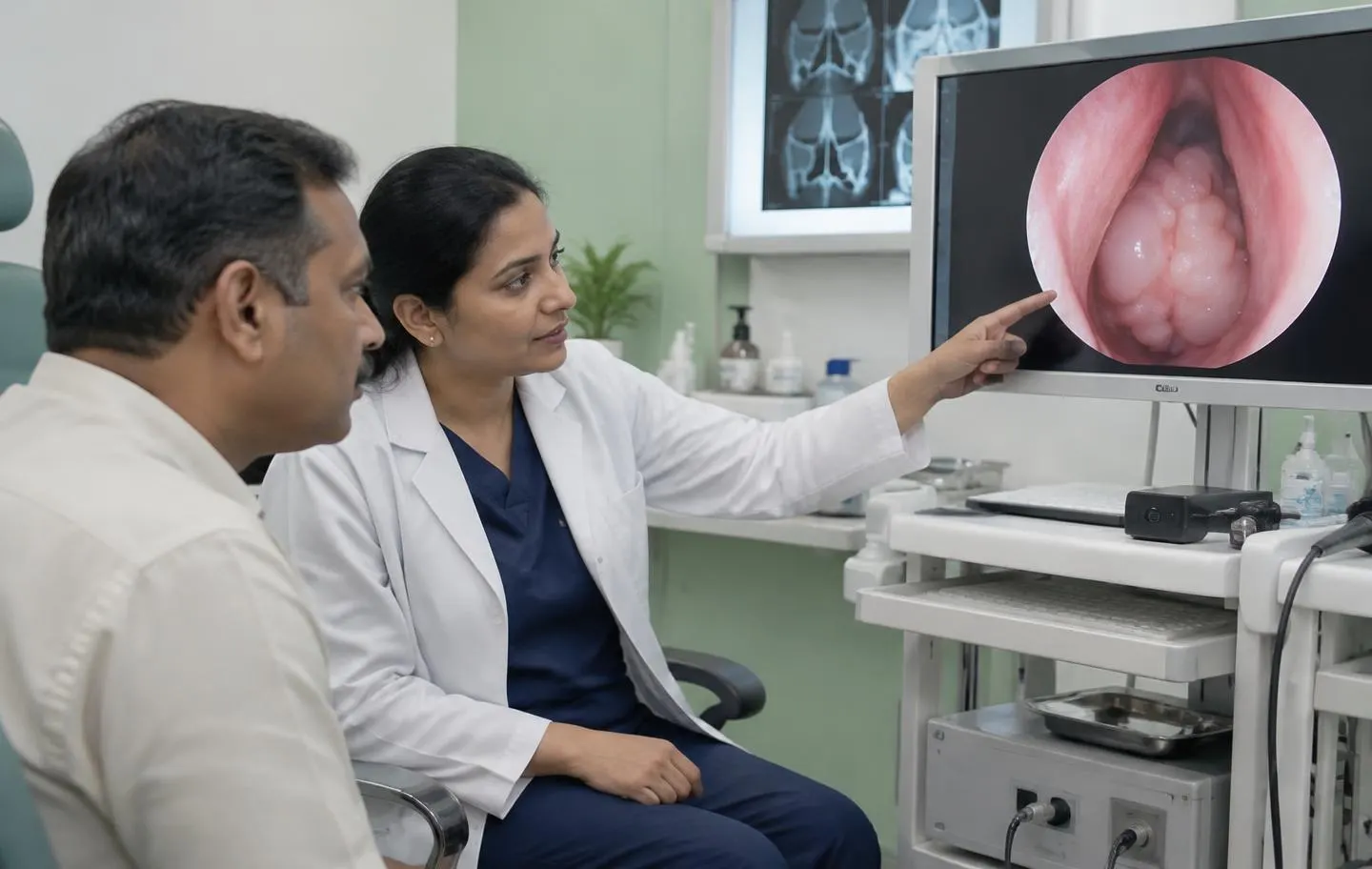
Greenview Medical Center offers nasal polyps treatment in HSR Layout, opposite Agara Lake. Assessment starts with your symptoms, previous medicines and a careful nasal examination.
Persistent nasal blockage and loss of smell deserve attention, particularly when sleep or meals become difficult. An ENT specialist in HSR Layout can check whether polyps explain these changes.
People travelling from Bellandur or BTM Layout can bring earlier prescriptions and scan reports. These records show which treatments helped.
What are nasal polyps?
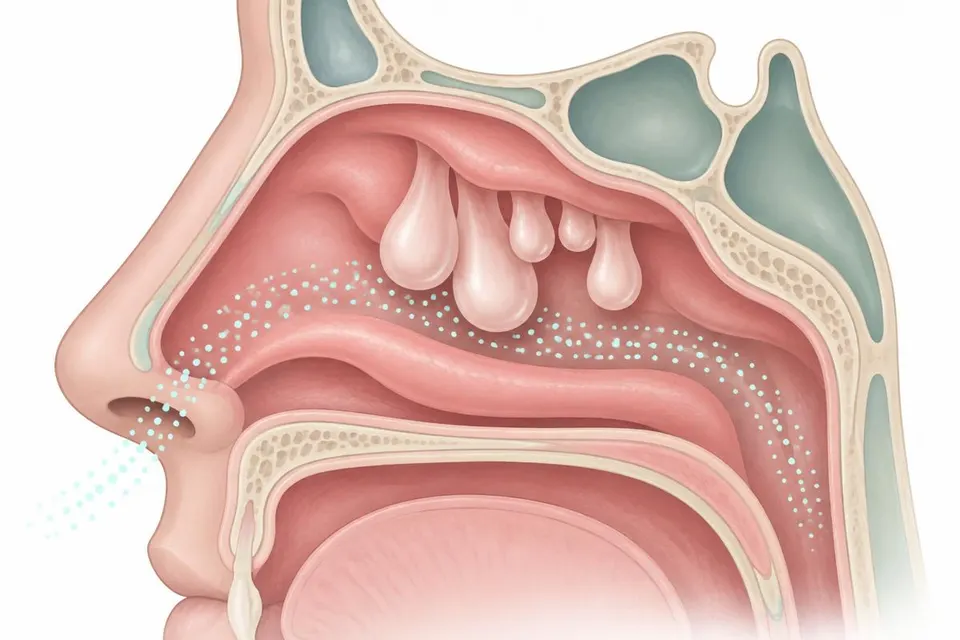
Nasal polyps are soft, noncancerous swellings of the lining inside the nose or sinuses. They develop with ongoing inflammation and often affect both sides. Small polyps may cause few symptoms, while larger growths restrict airflow. Examination helps distinguish polyps from other causes of a blocked nose.
Nasal polyps and chronic sinusitis
Polyps often accompany chronic rhinosinusitis, where sinus symptoms continue for twelve weeks or longer. Our information on chronic sinusitis treatment explains this overlapping condition.
Removing visible polyps does not remove the underlying tendency towards inflammation. Continuing treatment after improvement is therefore often important.
Symptoms of nasal polyps
Typical symptoms include persistent stuffiness, a runny nose, reduced smell and mucus draining down the throat. Some people notice snoring, disturbed sleep or facial pressure. Symptoms alone cannot confirm polyps because allergies and other nasal conditions can feel similar. A lasting change deserves an examination rather than repeated self treatment.
One sided polyp or bleeding: why it needs prompt review
A growth affecting only one side, especially with bleeding, needs prompt ENT assessment. Do not assume every visible nasal swelling is an ordinary polyp.
Eye swelling, altered vision, severe headache or breathing difficulty require urgent medical attention. Call 080 6792 7777 or attend the 24x7 emergency department for these warning signs.
Who gets nasal polyps
Nasal polyps mainly affect adults with persistent inflammation of the nasal and sinus lining. Asthma and sensitivity to aspirin or similar medicines can occur alongside them. The exact cause is not always clear, and having an allergy does not automatically mean polyps will develop. Individual assessment guides the next steps.
When discussing what causes nasal polyps, mention wheezing and any reactions after pain medicines. Never test a suspected medicine reaction yourself or stop prescribed asthma treatment without advice.
Coordinated asthma care through pulmonology may help when chest and nasal symptoms occur together. Bring your inhalers and describe any recent breathing flare ups.
How nasal polyps are diagnosed
Diagnosis usually combines your symptom history with examination inside the nose, sometimes using a thin endoscope. The doctor checks the location, size and appearance of any growth. Scans or tissue testing are reserved for particular questions. This approach helps avoid treating an unusual nasal mass as a routine polyp.
Nasal endoscopy
A slim camera allows closer inspection beyond the front of the nose. Greenview has an ENT endoscopy workstation and an endoscopy unit.
CT scan for surgical planning
A CT scan may map sinus disease when surgery is considered or symptoms need further investigation. Your doctor will arrange imaging and explain where the scan can be performed.
Biopsy when a polyp looks unusual
An unusual or one sided growth may need a tissue sample to clarify its nature. The team explains sampling, pathology assessment, and where biopsy reporting will be arranged.
Nasal polyps treatment options in HSR Layout
Nasal polyps treatment in HSR Layout usually begins with medicines that reduce inflammation and improve nasal airflow. Surgery becomes an option when symptoms remain troublesome despite appropriate treatment. Decisions consider your smell, sleep, asthma and examination findings. Long term nasal care remains important whichever treatment is chosen for your polyps.
| Treatment | Who it suits | What to expect |
|---|---|---|
| Steroid nasal spray or drops | Many people with symptomatic polyps | Regular use and technique review |
| Short oral steroid course | Selected people with marked symptoms | Temporary treatment with safety checks |
| Endoscopic polypectomy | Persistent symptoms despite medicines | Removal followed by ongoing nasal care |
| Specialist biologic assessment | Severe recurring disease with asthma | Eligibility review within a specialist programme |
Steroid nasal sprays and drops
A steroid spray or prescribed drops can shrink polyps and reduce swelling. Improvement takes regular use, so follow the prescribed schedule rather than stopping after a few days.
Aim a spray away from the central dividing wall of your nose. Ask for a technique demonstration if it causes irritation or recurrent bleeding.
Short course of oral steroids
A short oral steroid course may reduce larger polyps when local treatment is insufficient. Your doctor weighs possible benefits against effects on sleep, blood sugar and other health conditions.
Biologic medicines for severe recurring polyps
Biologic medicines are a specialist option for severe recurring polyps with asthma, usually under a specialist programme. Eligibility depends on disease severity, previous treatment and a detailed specialist assessment.
These medicines are not a routine first treatment for nasal blockage. Ask the Greenview team where specialist assessment and any eligible treatment are arranged.
Endoscopic nasal polyp removal surgery
Endoscopic polypectomy removes obstructing polyps through the nostrils when medicines have not provided enough relief. People seeking nasal polyp removal in Bangalore should discuss both expected benefits and recurrence.
If researching nasal polyps surgery HSR Layout, ask how the proposed operation addresses your sinus disease. Surgery cannot promise restored smell or permanent freedom from polyps.
How the procedure is done
The surgeon uses an endoscope and small instruments, usually under general anaesthesia. Sinus openings may also be treated when needed to improve drainage and medicine delivery.
Greenview has operation theatres and day care surgery facilities. The team decides whether same day discharge suits your operation and general health.
Discuss bleeding, infection, recurrence and uncommon eye or skull base complications before consent. Ask which medicines need adjustment and arrange an adult escort after anaesthesia.
Recovery: what to expect in weeks 1 to 4
During the first week, congestion, crusting and some bloodstained discharge can occur. Follow your surgeon's instructions about rinsing, nose blowing, lifting and returning to work.
Over the following weeks, review visits help assess healing and adjust nasal medicines. Recovery time varies with the extent of surgery and your usual activities.
Seek urgent advice for heavy bleeding, worsening pain, fever or new eye symptoms after surgery. Do not wait for a planned follow up if these develop.
Keeping polyps from coming back
Polyps can return because the inflamed lining remains susceptible even after removal. Continue prescribed nasal treatment and attend reviews rather than waiting for complete blockage.
Report worsening smell or renewed congestion early so treatment can be reviewed. Keeping asthma controlled also matters when both conditions affect you.
Nasal polyps in children
Nasal polyps are uncommon in young children and should be assessed rather than assumed to explain a blocked nose. A child with polyps may need assessment for cystic fibrosis or another underlying condition. A one sided nasal mass needs prompt review. ENT and children's specialists can coordinate the necessary evaluation.
Enlarged adenoids and objects inside the nose can also cause childhood blockage. An examination helps separate these possibilities without guessing from symptoms alone.
Paediatrics support may be appropriate when growth, chest symptoms or repeated infections raise additional concerns. Testing depends on the child's findings and clinical history.
Your nasal polyps specialist in HSR Layout
An ENT doctor assesses whether polyps explain your symptoms and discusses medical treatment before considering an operation. Greenview's ENT team includes doctors trained in ear, nose and throat care. Bring earlier endoscopy findings and your medicine list. Individual appointment timings vary, so call ahead to confirm the available slot.
The team includes Dr. G Mohan, MBBS, MS (ENT), and Dr. Medha Mahesh, MBBS, DLO, DNB (Otorhinolaryngology). Dr. Ruchi Verma, MBBS, MS (ENT), also provides ENT care.
If searching for a nasal polyps doctor near me, consider access to follow up as well as examination. Ongoing reviews can be important after either medicines or surgery.

Dr. G Mohan
MBBS, MS (ENT)
ENT consultation: Monday to Saturday · 7:00 PM to 7:30 PM
View Dr. G Mohan's profile
Dr. Medha Mahesh
MBBS, Diploma in Otorhinolaryngology (DLO), DNB (Otorhinolaryngology)
ENT consultation: On call
View Dr. Medha Mahesh's profile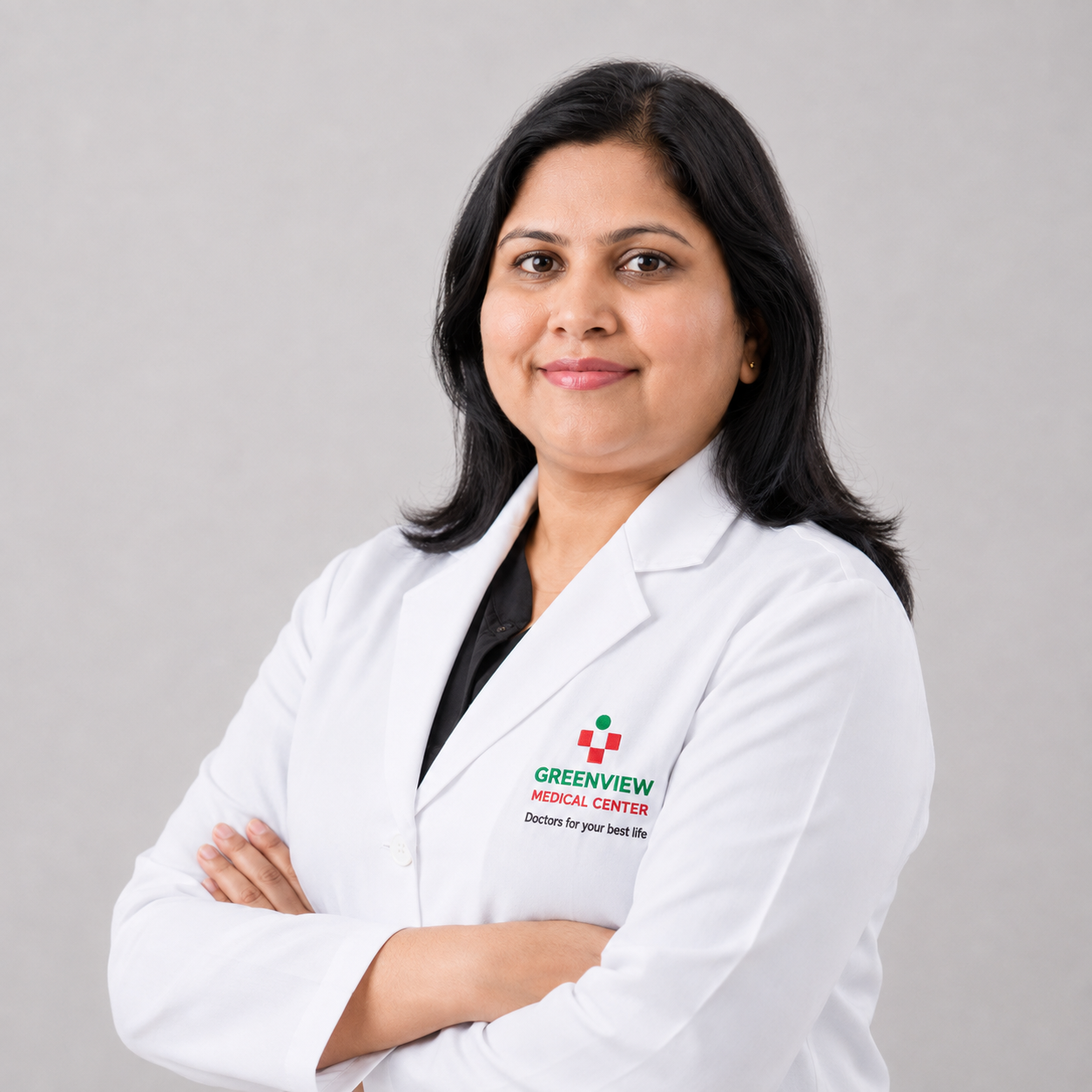
Dr. Ruchi Verma
MBBS, MS (ENT)
ENT consultation: Monday, Wednesday and Friday · 11:00 AM · Tuesday and Thursday · 5:30 PM · Saturday · 9:00 AM
View Dr. Ruchi Verma's profileCost and cashless insurance for polyp surgery
Costs depend on your examination, investigations, proposed operation and hospital care needs. The team explains an estimate after your treatment plan is clear. Cashless care depends on your policy and the insurer's approval. Preauthorisation does not mean every expense is covered, so discuss exclusions before a planned admission or procedure.
The insurance desk can help with documents for preauthorisation and clarify the approval process. Bring your policy details and earlier treatment records when discussing admission.
Frequently asked questions
These answers explain common concerns about polyp medicines, operations, smell changes and recurrence. They cannot establish why your own nose is blocked. Your examination and treatment history remain essential when choosing care. Ask your doctor how the information applies to your symptoms, particularly with asthma or a one sided growth.
Can nasal polyps go away without surgery?
Some nasal polyps shrink with steroid sprays or drops, so surgery is not always necessary. A short oral steroid course may help selected patients. The response depends on inflammation and polyp size. Keep using prescribed treatment as directed and arrange review if blockage or smell changes remain troublesome.
Are nasal polyps cancerous?
Typical inflammatory nasal polyps are not cancerous. However, a one sided growth or repeated bleeding needs prompt assessment because other conditions can resemble polyps. The doctor may advise endoscopy, imaging or a tissue sample. Do not decide whether a nasal growth is harmless from its appearance alone.
Do nasal polyps come back after surgery?
Nasal polyps can come back after surgery because the underlying inflammation may persist. Regular prescribed nasal steroids and follow up help manage that tendency. Tell your doctor if congestion or smell loss returns. Recurrence does not automatically mean another operation, as medicines and specialist assessment may offer other options.
How much discomfort is there after nasal polyp surgery?
Congestion, pressure and mild soreness can occur after nasal polyp surgery. Crusting and some bloodstained discharge are also possible during early healing. Your team explains suitable pain relief and nasal care before discharge. Heavy bleeding, increasing pain or eye symptoms need urgent advice rather than waiting for routine review.
How long is recovery after nasal polyp removal?
Recovery after nasal polyp removal usually unfolds over several weeks, although the timetable varies. Early blockage can reflect swelling rather than remaining polyps. Your surgeon advises when work, exercise and nose blowing are appropriate. Attend planned reviews so healing, rinsing technique and longer term medicines can be checked.
Will my sense of smell come back?
Your sense of smell may improve when treatment reduces obstruction and inflammation, but improvement is not certain. Some people continue to have reduced smell despite better nasal airflow. Tell your doctor how long the change has lasted. Continuing prescribed nasal care and reviewing persistent symptoms helps guide further decisions.
Can children get nasal polyps?
Children can get nasal polyps, but they are uncommon in young children. An ENT examination is important, and assessment for cystic fibrosis may be needed. A one sided mass deserves prompt review. The doctor considers nasal findings alongside growth, chest symptoms and repeated infections before recommending further tests.
Is nasal polyp surgery covered by insurance?
Insurance may cover nasal polyp surgery when your policy includes the proposed care and approval requirements are met. The insurer decides eligibility, including exclusions and waiting periods. Greenview's insurance desk helps with preauthorisation documents. Request an estimate and check which investigations, medicines or admission expenses might remain payable.
Book a nasal polyps consultation
For nasal polyps treatment in HSR Layout, request an ENT appointment and bring your previous prescriptions. Call 080 6792 7777 to confirm a suitable slot. Describe persistent blockage, smell changes or earlier polyp surgery when booking. An examination helps the doctor discuss a practical plan for medicines, review or surgery.
Sources
These sources explain nasal polyps, commonly used treatments and the relationship with chronic sinus inflammation. NHS and ENThealth provide patient information, while EPOS offers specialist guidance. They support general education rather than an individual diagnosis. Your doctor interprets this guidance alongside examination findings, other conditions and your response to treatment.